Generate:Biomedicines reported that a single 300-mg dose of GB-0895 suppressed four inflammatory biomarkers for at least six months in a Phase 1 asthma study.
Zhao and colleagues paired protein-language-model design with pooled mammalian-cell screening to identify peptide-guided degraders against four targets.
Diplock, N. and colleagues report that wet-lab tests found many functional proteins far from known natural sequences while exposing inconsistent predictions from protein language models.
Shijie Wan and colleagues report that a sparse-data machine-learning loop helped researchers engineer a compact Fanzor genome editor that worked across mammalian-cell targets and in a mouse experiment.
Joao Sartori and colleagues report that enzymARC tests whether enzyme-function predictors reject structure-guided decoys whose catalytic machinery has been disrupted.
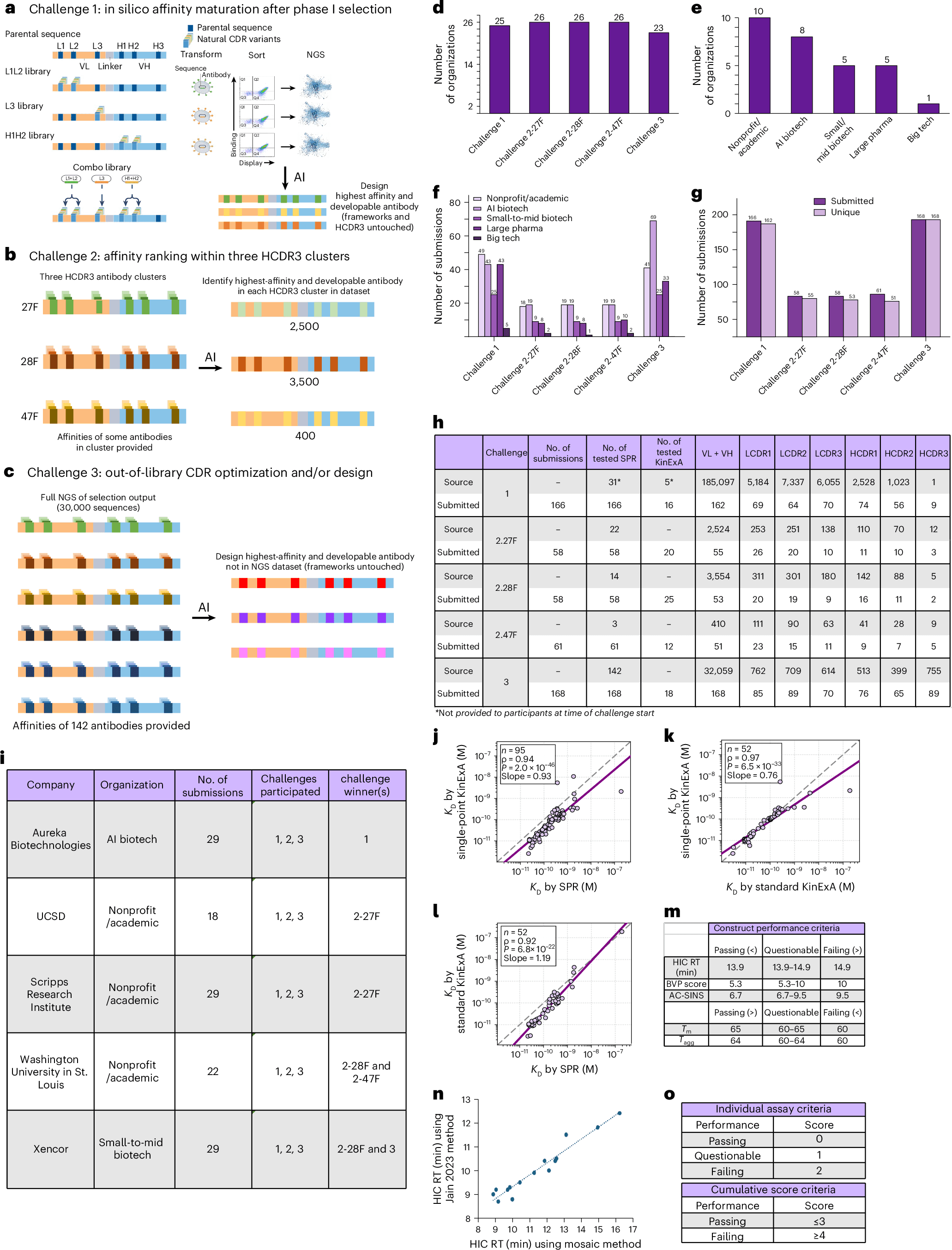
M. Frank Erasmus and colleagues report that a prospective, blinded antibody challenge found real pockets of strong performance, but most methods did not generalize across its three tasks.
Julie Liliane Daniel and colleagues report that alphaConformers uses structures from related proteins as template hypotheses to steer AlphaFold2 toward alternative conformations.
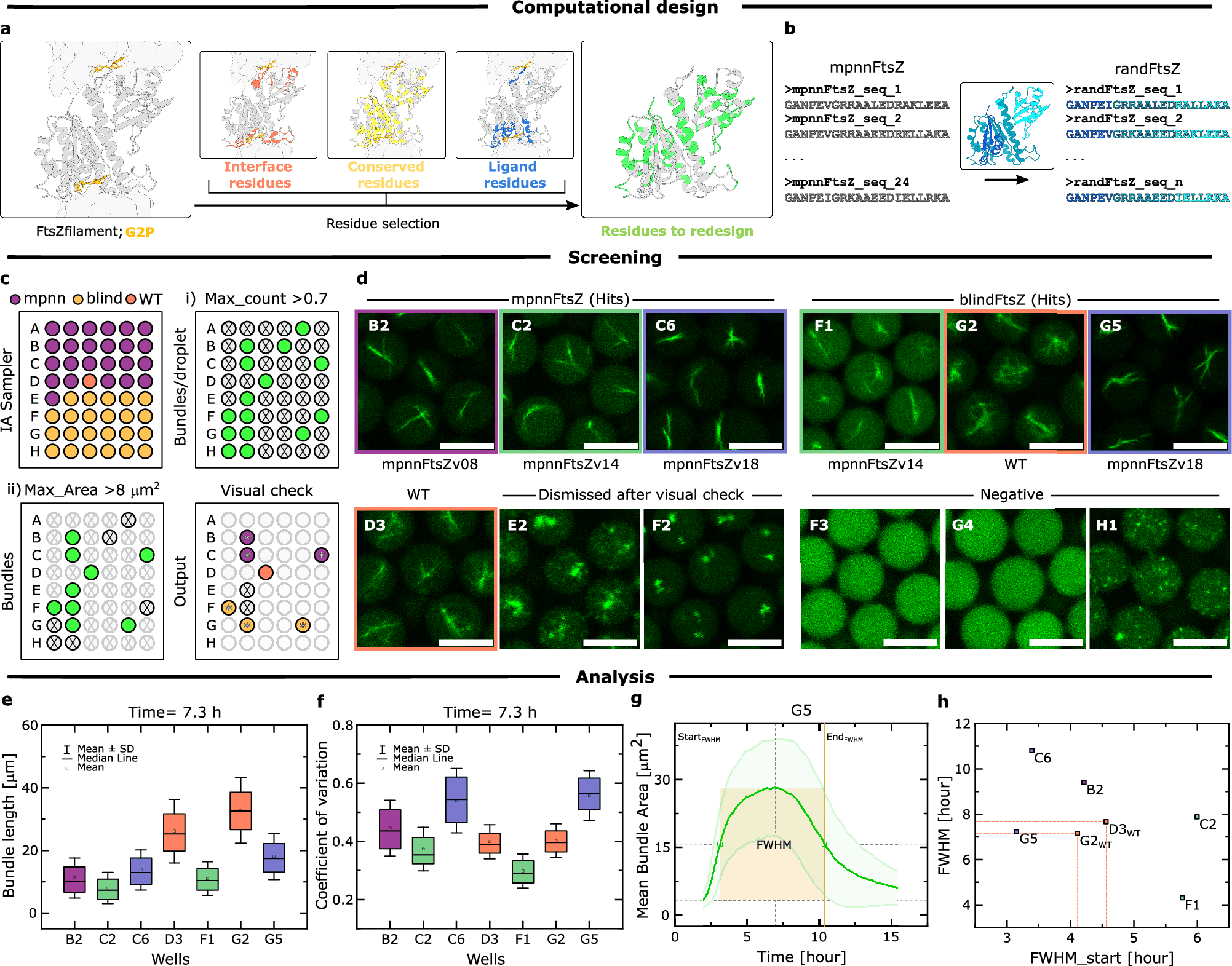
Kareem Al Nahas and colleagues report that pUREdrop automates time-resolved screening of designed proteins inside picoliter synthetic cells, demonstrated with FtsZ variants and modulators.
The companies announced a research collaboration using Chai's models for antibody discovery. Targets, disease areas, economics, timelines, and candidate-level results were not disclosed.