Summit and Akeso said ivonescimab plus chemotherapy improved overall survival versus durvalumab plus chemotherapy in a China-based Phase 3 trial, but numerical results remain pending.
The FDA approved once-daily Rasonque, or daraxonrasib, for adults with metastatic pancreatic adenocarcinoma after prior systemic therapy or when multiagent therapy is not an option.
Generate:Biomedicines reported that a single 300-mg dose of GB-0895 suppressed four inflammatory biomarkers for at least six months in a Phase 1 asthma study.
The companies say intismeran plus Keytruda met recurrence-free and distant metastasis-free survival endpoints; effect sizes and overall-survival data are not yet available.
Zhao and colleagues paired protein-language-model design with pooled mammalian-cell screening to identify peptide-guided degraders against four targets.
Bettoni, L. and colleagues used integrated omics and interaction networks to prioritize under-characterized genes linked to angiogenic stalk cells using a graph-ranking system.
Suga and colleagues combined pretrained RNA-language-model representations with contrastive learning to identify coordinated relationships between 5′ and 3′ untranslated regions.
Li, L. and colleagues found that high expression similarity often failed to preserve the drug-response signatures models were meant to predict using a mechanism-aware benchmark.
Ghada Yousif and colleagues report that many bacteria isolated from German soils could not grow alone without metabolites supplied from outside the cell.
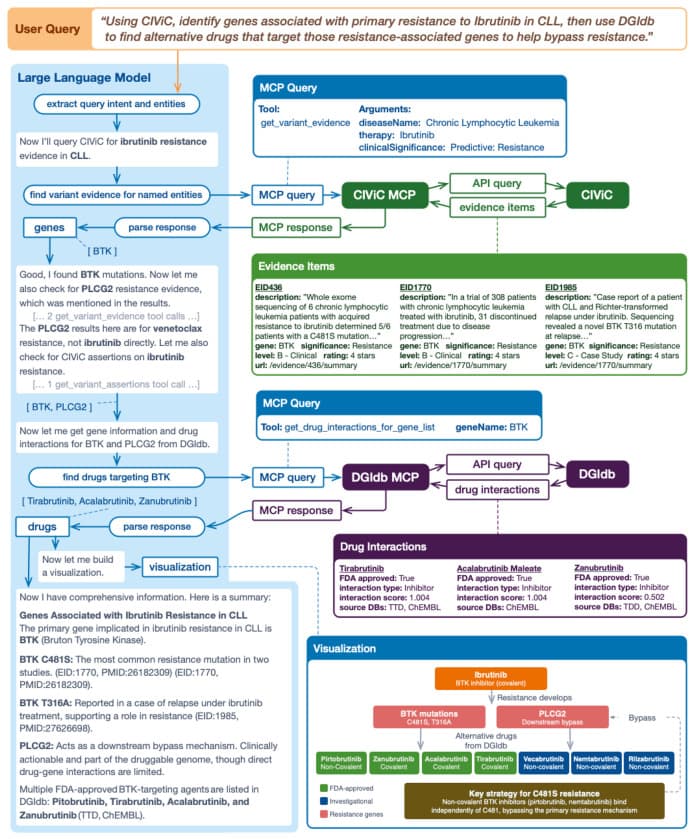
Lars Schimmelpfennig and colleagues report that a Model Context Protocol server lets language models query current, structured drug-gene interaction data from DGIdb.
Thi Lan Nguyen and colleagues report that gRASSP combines pretrained RNA representations with lightweight graph refinement for RNA-small molecule binding-site prediction.
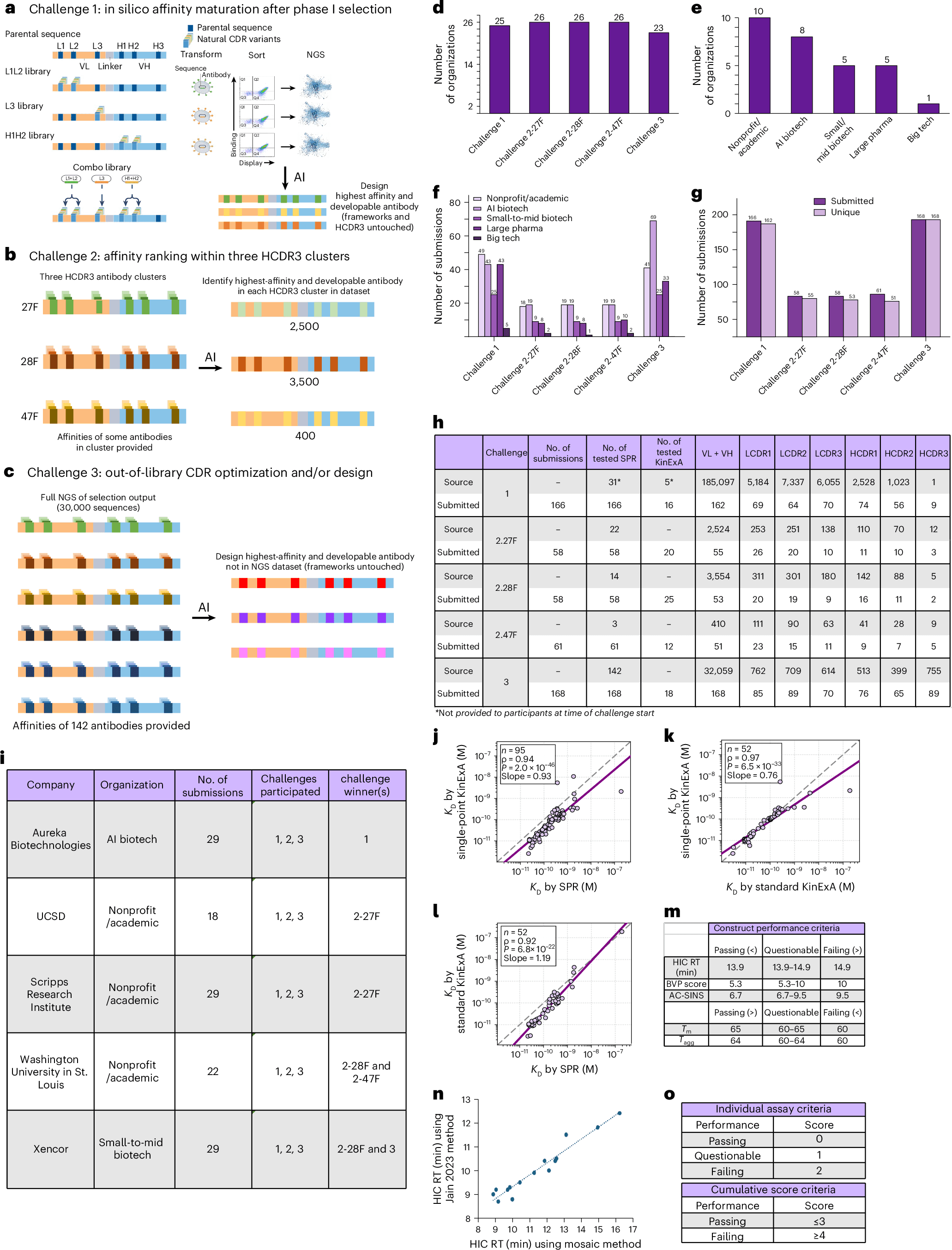
M. Frank Erasmus and colleagues report that a prospective, blinded antibody challenge found real pockets of strong performance, but most methods did not generalize across its three tasks.
Alekhya Kandoor and colleagues report that spY-C learns shared sequence constraints for whether a human phosphotyrosine site can participate in SH2-domain binding.
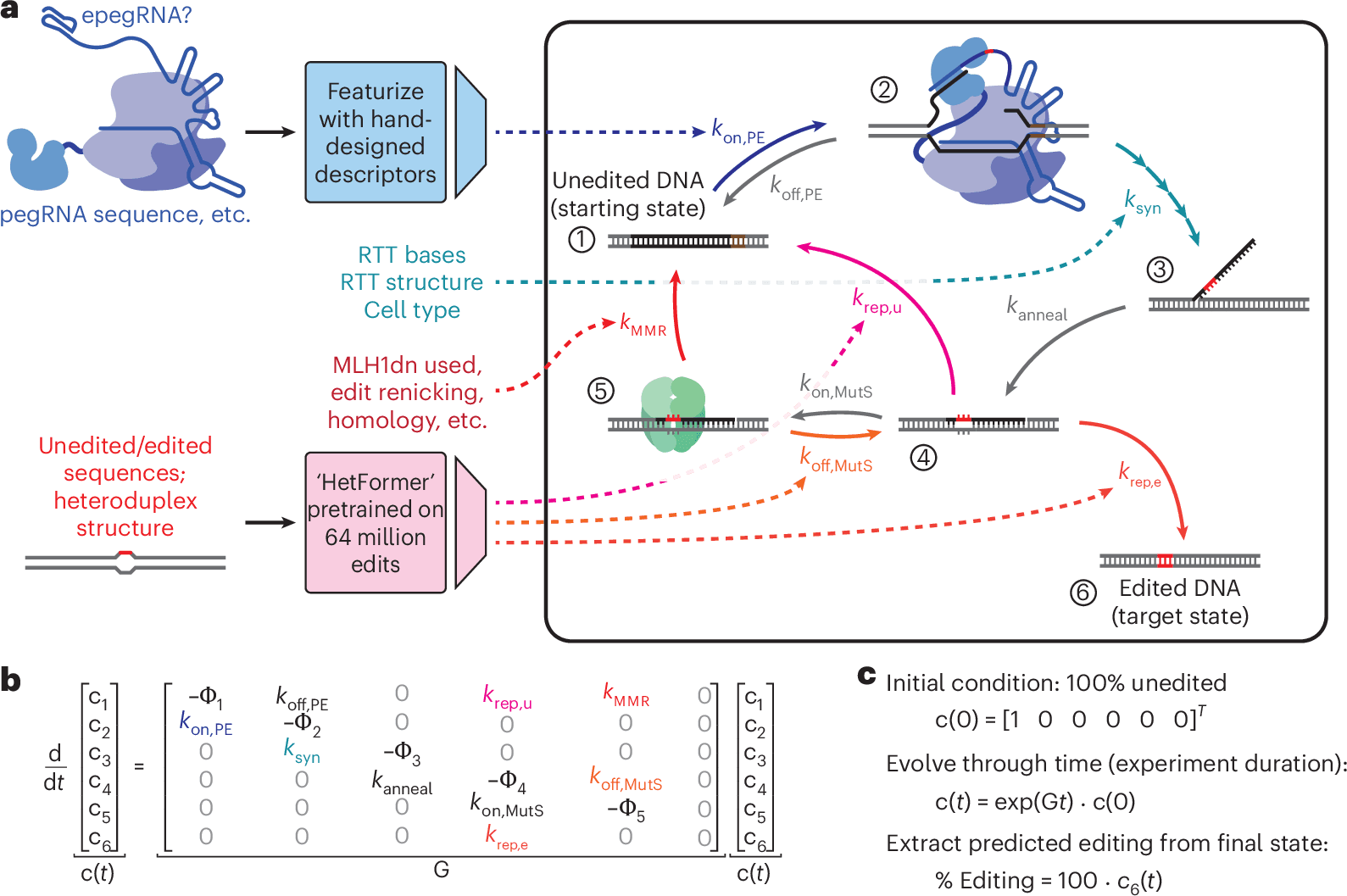
Alvin Hsu and colleagues report that optiPrime uses a mechanism-based machine-learning model to predict prime-editing outcomes and nominate edits intended to evade mismatch repair.
Genedata announced an AI-guided biomarker workflow inside its commercial Profiler platform, with structured study design, quality control, modeling, and reporting steps.
SK Biopharmaceuticals agreed to take global rights to Biohaven’s Kv7 platform and opakalim, the Phase 2/3 epilepsy candidate also known as BHV-7000. Biohaven receives $350 million at closing and $50 million in 2027; development, regulatory, and prior-owner obligations account for the rest of the announced value.
Haisco granted Sentivera rights outside Greater China to a preclinical small molecule for Type 2 inflammatory diseases. Haisco says the package includes $75.89 million in upfront cash and equity consideration, up to $1.46 billion in milestones, and tiered royalties; Fierce Biotech separately reported the transaction.
Hanmi granted Genentech exclusive rights outside South Korea to HM17321, a clinical-stage UCN2 analogue. Hanmi says it will receive $190 million up front, may receive development, regulatory, and commercial milestones that bring the total value to as much as $2.3 billion, and is eligible for tiered sales royalties.
The companies announced a research collaboration using Chai's models for antibody discovery. Targets, disease areas, economics, timelines, and candidate-level results were not disclosed.
Causaly and Syneos Health announced a strategic partnership to apply Causaly's platform across therapeutic-area expertise, medical advisory, real-world evidence, patient advocacy, and proposal development. The companies did not disclose financial terms or implementation milestones.
Expand U.S. research and reimbursement-driven launch preparation, support a Japanese regulatory filing for pancreatic-cancer diagnostic software, and advance a prospective pancreatic-cancer study.
Novo Nordisk selected AWS as its preferred cloud provider and strategic AI partner and said the companies will open a co-innovation hub in London. The stated work includes Amazon Bio Discovery, Bedrock, and Bedrock AgentCore; financial terms and delivery milestones were not disclosed.