Mathur and colleagues fine-tuned foundation-model gene embeddings and used temporal graph neural networks to distinguish treatment-response patterns across four inflammatory diseases.
Zhao and colleagues paired protein-language-model design with pooled mammalian-cell screening to identify peptide-guided degraders against four targets.
Bhattacharya, A. and colleagues report that a data-fusion model projected cortical Alzheimer's signatures across a 108-region whole-brain single-cell atlas.
Bettoni, L. and colleagues used integrated omics and interaction networks to prioritize under-characterized genes linked to angiogenic stalk cells using a graph-ranking system.
Ahsan and colleagues trained a contrastive learning model on spatial transcriptomics and tissue images to predict pathway-level expression from routine histology.
Zhang, S. and colleagues report that dynaTPH adds standardized molecular-dynamics trajectories and biophysical features to 256 representative T-cell-receptor complexes.
Suga and colleagues combined pretrained RNA-language-model representations with contrastive learning to identify coordinated relationships between 5′ and 3′ untranslated regions.
Alizada, S. and colleagues classified six cell states from label-free imaging more accurately as additional frames were added using a spatiotemporal neural network.
Xi, G. reports that scDisent separates expression-linked and regulation-linked variables instead of compressing multi-omic measurements into one latent space.
Li, L. and colleagues found that high expression similarity often failed to preserve the drug-response signatures models were meant to predict using a mechanism-aware benchmark.
Sallam, A. and colleagues report that an unsupervised stress test separated single-cell foundation models that looked nearly equivalent on standard downstream benchmarks.
Diplock, N. and colleagues report that wet-lab tests found many functional proteins far from known natural sequences while exposing inconsistent predictions from protein language models.
Kate E. Cavanaugh and colleagues report that older mouse embryos were more contractile and viscous, which impaired spreading during implantation; related imaging signatures also tracked human embryo potential.
Xin Gao and colleagues report that yeast cells grew faster by increasing mRNA and ribosome concentrations together, raising the number of active ribosomes without speeding elongation.
Yan Peng and colleagues report that dREAMS maps multiple DNA and RNA modifications across tissue and linked TET1 loss to altered RNA m1A patterns in mouse brain.
Shijie Wan and colleagues report that a sparse-data machine-learning loop helped researchers engineer a compact Fanzor genome editor that worked across mammalian-cell targets and in a mouse experiment.
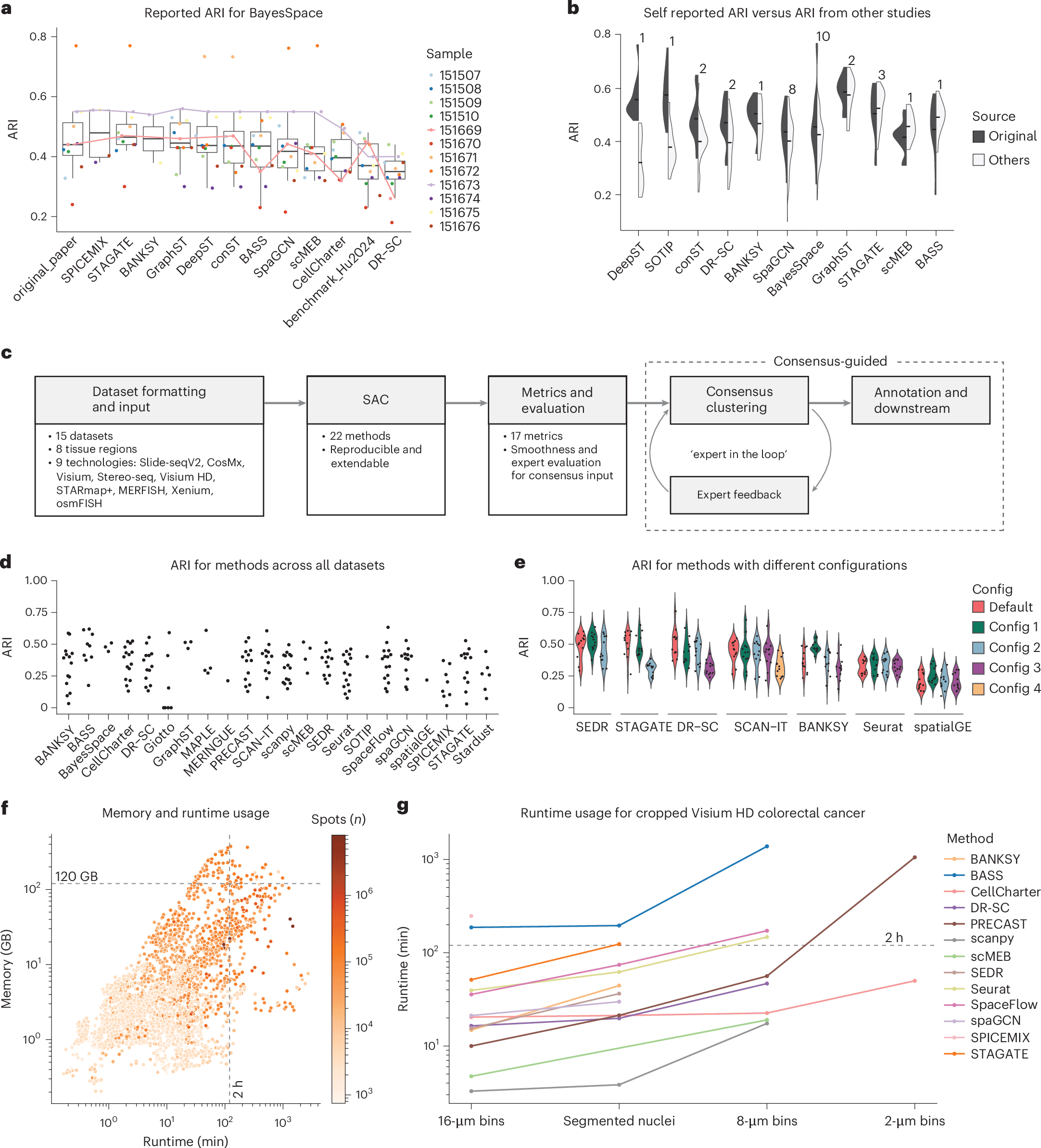
Jieran Sun and colleagues report that sACCELERATOR combines agreement among algorithms with expert tissue knowledge to make spatial-clustering benchmarks more biologically useful.
Ghada Yousif and colleagues report that many bacteria isolated from German soils could not grow alone without metabolites supplied from outside the cell.
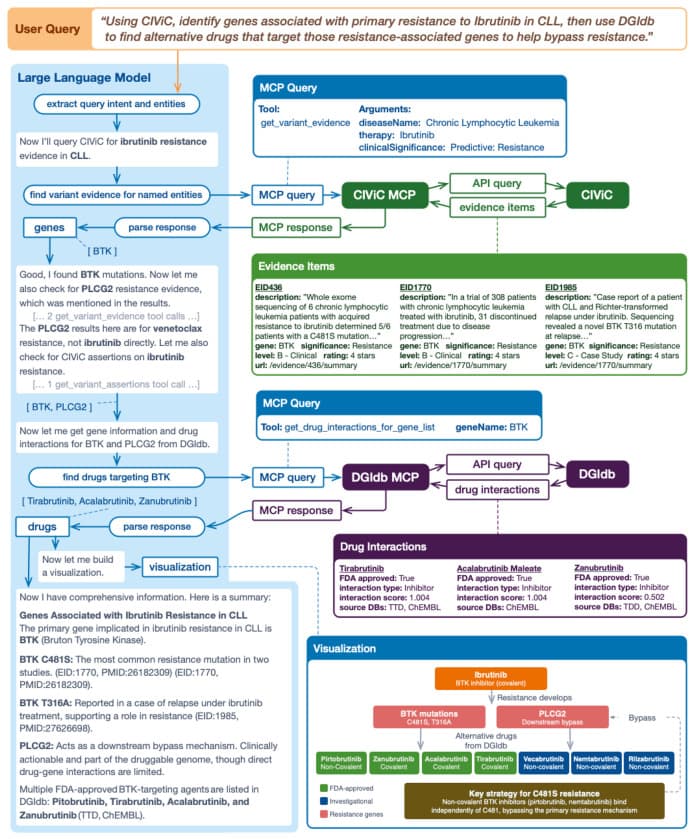
Lars Schimmelpfennig and colleagues report that a Model Context Protocol server lets language models query current, structured drug-gene interaction data from DGIdb.
Joao Sartori and colleagues report that enzymARC tests whether enzyme-function predictors reject structure-guided decoys whose catalytic machinery has been disrupted.
Thi Lan Nguyen and colleagues report that gRASSP combines pretrained RNA representations with lightweight graph refinement for RNA-small molecule binding-site prediction.
Karoline Kallis and colleagues report that an EHR model performed similarly across five health systems but much less sensitively in patients with sparse documentation.
Yuheng Zhu and colleagues report that pSTN links single-cell and spatial transcriptomics across infection time points instead of integrating each stage separately.
Yijun Ren and colleagues report that a cross-jurisdiction analysis finds longer second-authorization delays when radiology AI reaches Europe before the United States.
Jiedan Xiao and colleagues report that a conditional diffusion model reconstructs plausible single-cell populations from bulk-like expression summaries.
Yuyan Chen reports that a DNA foundation model combines sequence with local and global chromatin accessibility while trying to prevent one modality from overwhelming the representation.
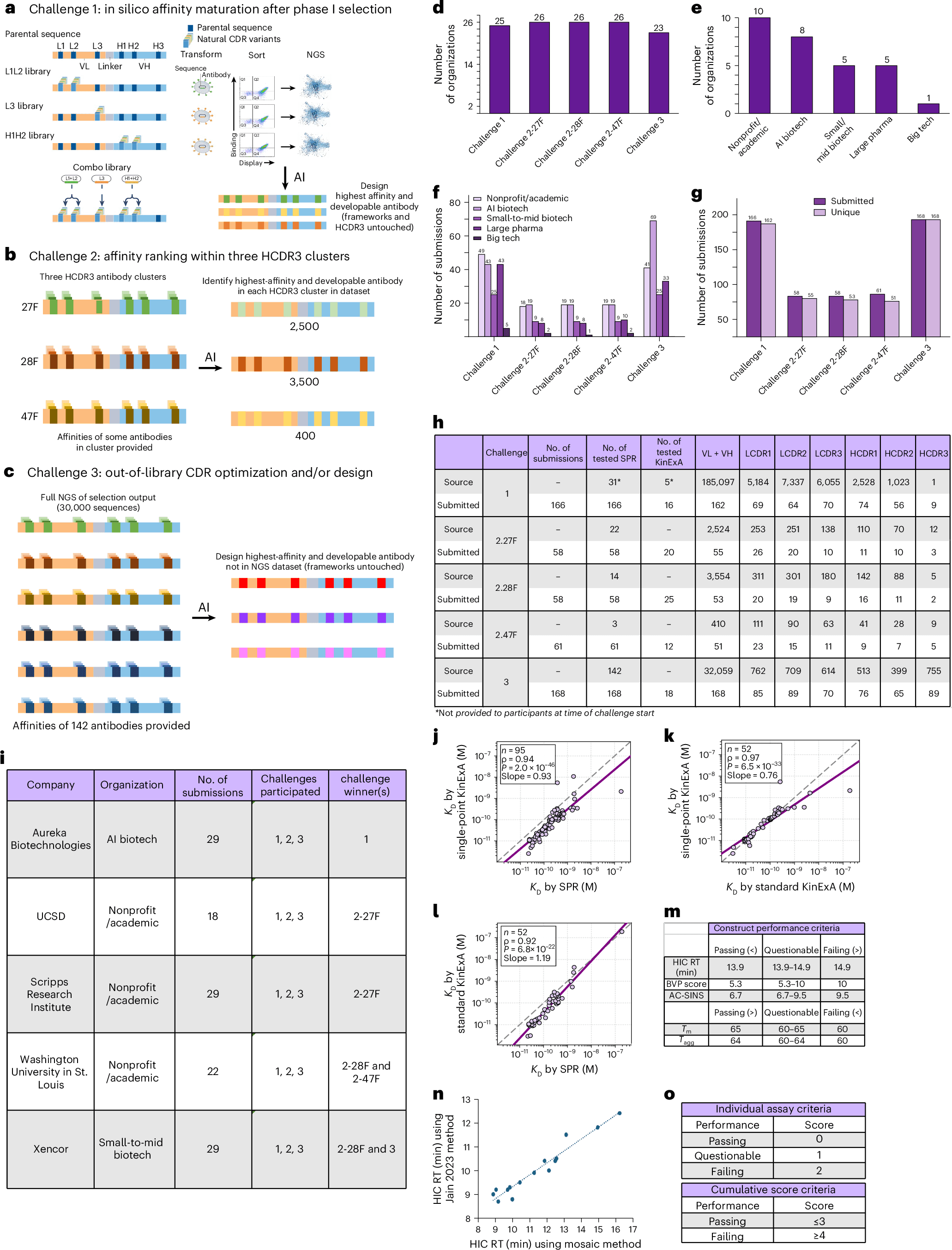
M. Frank Erasmus and colleagues report that a prospective, blinded antibody challenge found real pockets of strong performance, but most methods did not generalize across its three tasks.
Liron Leibovitch and colleagues report that a four-week emergency-department evaluation found mostly appropriate sampled outputs but falling clinician adoption and no reduction in length of stay.
Alekhya Kandoor and colleagues report that spY-C learns shared sequence constraints for whether a human phosphotyrosine site can participate in SH2-domain binding.
Maximilien Burq and colleagues matched or beat much larger RNA-only models on most reported benchmarks using a small biological foundation model trained with proteomics.
Julie Liliane Daniel and colleagues report that alphaConformers uses structures from related proteins as template hypotheses to steer AlphaFold2 toward alternative conformations.
Hanchen Wang and colleagues report that perturb-ME combines phenotype enrichment, genome-scale CRISPR, and multimodal single-cell readouts to map mechanisms behind a selected phenotype.
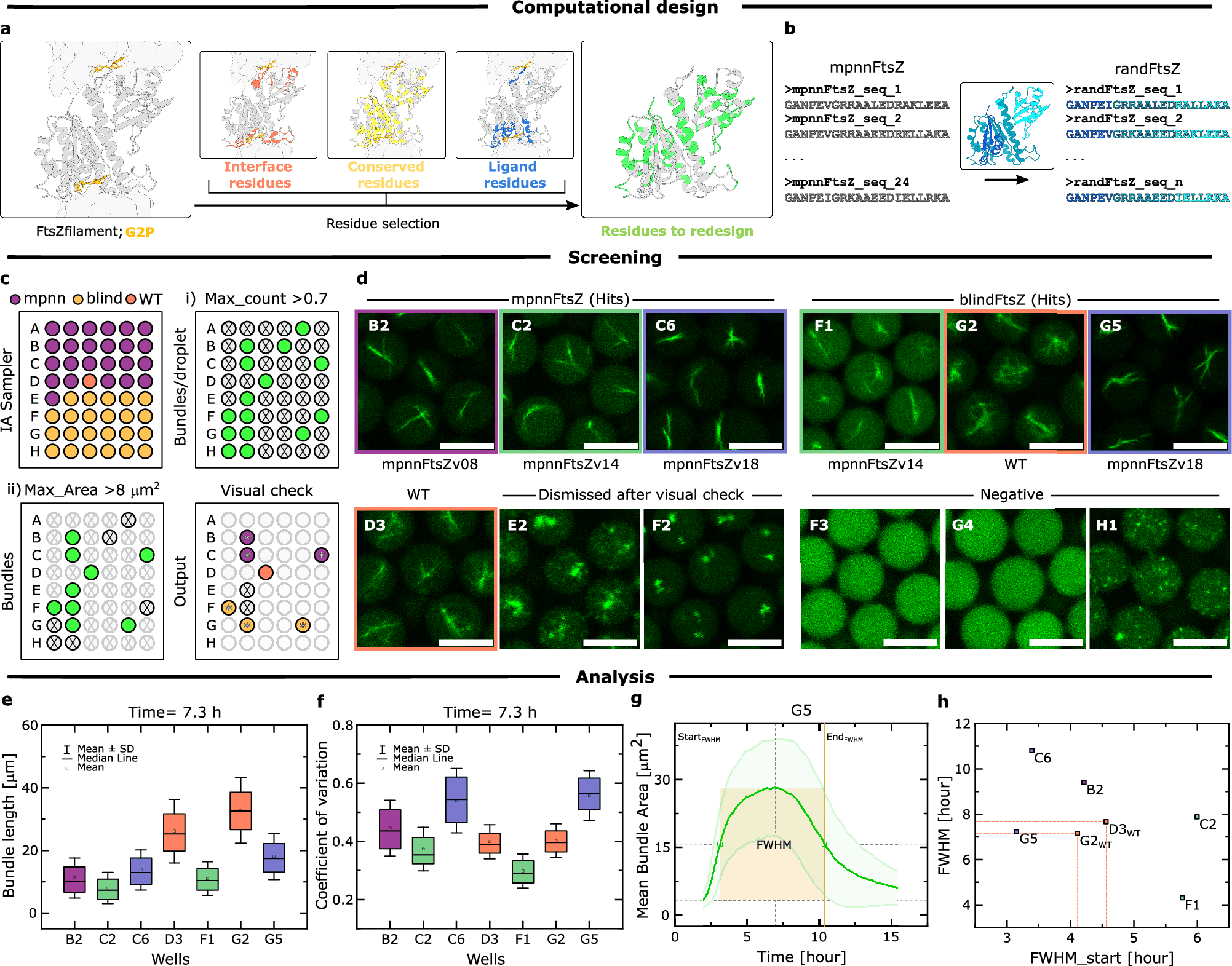
Kareem Al Nahas and colleagues report that pUREdrop automates time-resolved screening of designed proteins inside picoliter synthetic cells, demonstrated with FtsZ variants and modulators.
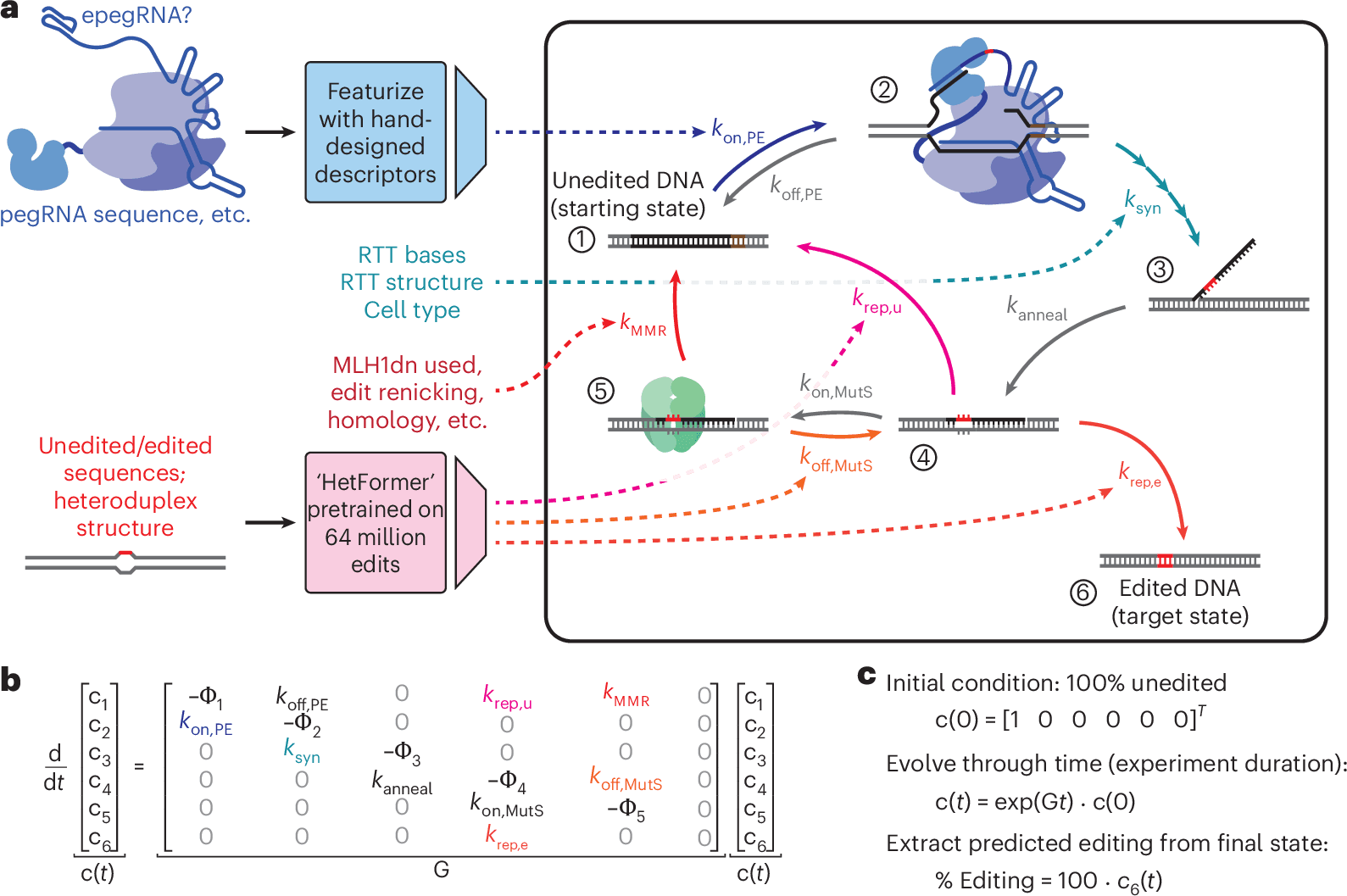
Alvin Hsu and colleagues report that optiPrime uses a mechanism-based machine-learning model to predict prime-editing outcomes and nominate edits intended to evade mismatch repair.
Yue You and colleagues report that a preprint combines an immune-aging score, a tokenized virtual-cell model, and an agent that revises its own compound-scoring objective.