Company news
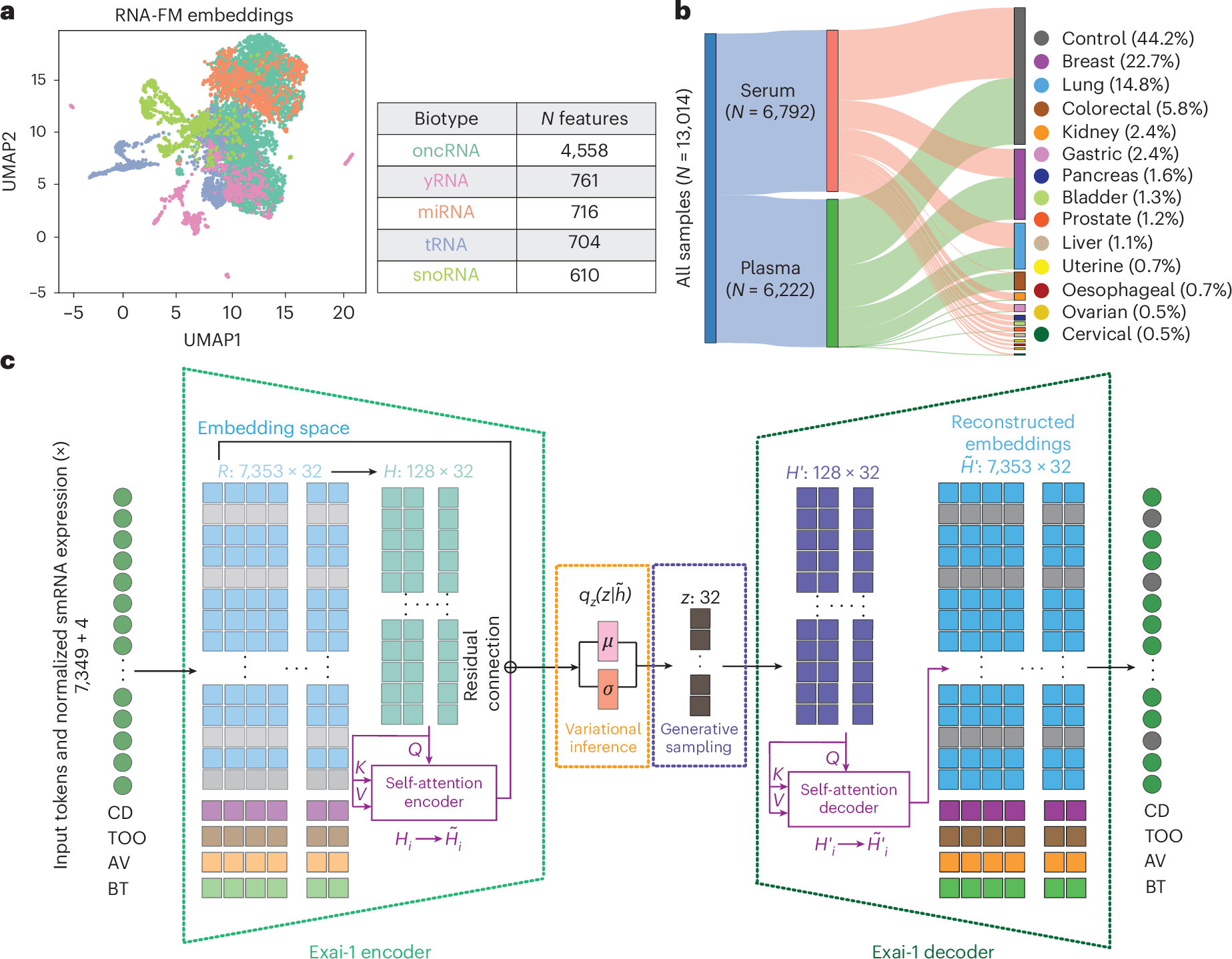
Network Bio launches with $50 million and an NVIDIA model collaboration
Network Bio paired a $50 million launch financing with plans to build a cell-free RNA foundation model alongside NVIDIA.
Independent reporting4 sources
Assembling the brief…
The front page of AI-driven biology.
Topic
Datasets, evaluations, splits, metrics, and reproducibility infrastructure for biological machine learning.
News
Company news
Network Bio paired a $50 million launch financing with plans to build a cell-free RNA foundation model alongside NVIDIA.
Clinical
The companies say intismeran plus Keytruda met recurrence-free and distant metastasis-free survival endpoints; effect sizes and overall-survival data are not yet available.
Policy & regulation
A Joint Research Centre report calls for realistic capability claims, transparent reporting, and reproducible validation of biology AI systems.
Research
Mathur and colleagues fine-tuned foundation-model gene embeddings and used temporal graph neural networks to distinguish treatment-response patterns across four inflammatory diseases.
Bhattacharya, A. and colleagues report that a data-fusion model projected cortical Alzheimer's signatures across a 108-region whole-brain single-cell atlas.
Liu, Z. reports that a model-free analysis argues that disagreement among biological assays places a measurable ceiling on predictor performance.
Bettoni, L. and colleagues used integrated omics and interaction networks to prioritize under-characterized genes linked to angiogenic stalk cells using a graph-ranking system.
Hu and colleagues built Coala to expose Common Workflow Language tools to language-model agents through the Model Context Protocol.
Ahsan and colleagues trained a contrastive learning model on spatial transcriptomics and tissue images to predict pathway-level expression from routine histology.
Zhang, S. and colleagues report that dynaTPH adds standardized molecular-dynamics trajectories and biophysical features to 256 representative T-cell-receptor complexes.
Alizada, S. and colleagues classified six cell states from label-free imaging more accurately as additional frames were added using a spatiotemporal neural network.
Li, L. and colleagues found that high expression similarity often failed to preserve the drug-response signatures models were meant to predict using a mechanism-aware benchmark.
Sallam, A. and colleagues report that an unsupervised stress test separated single-cell foundation models that looked nearly equivalent on standard downstream benchmarks.
Diplock, N. and colleagues report that wet-lab tests found many functional proteins far from known natural sequences while exposing inconsistent predictions from protein language models.
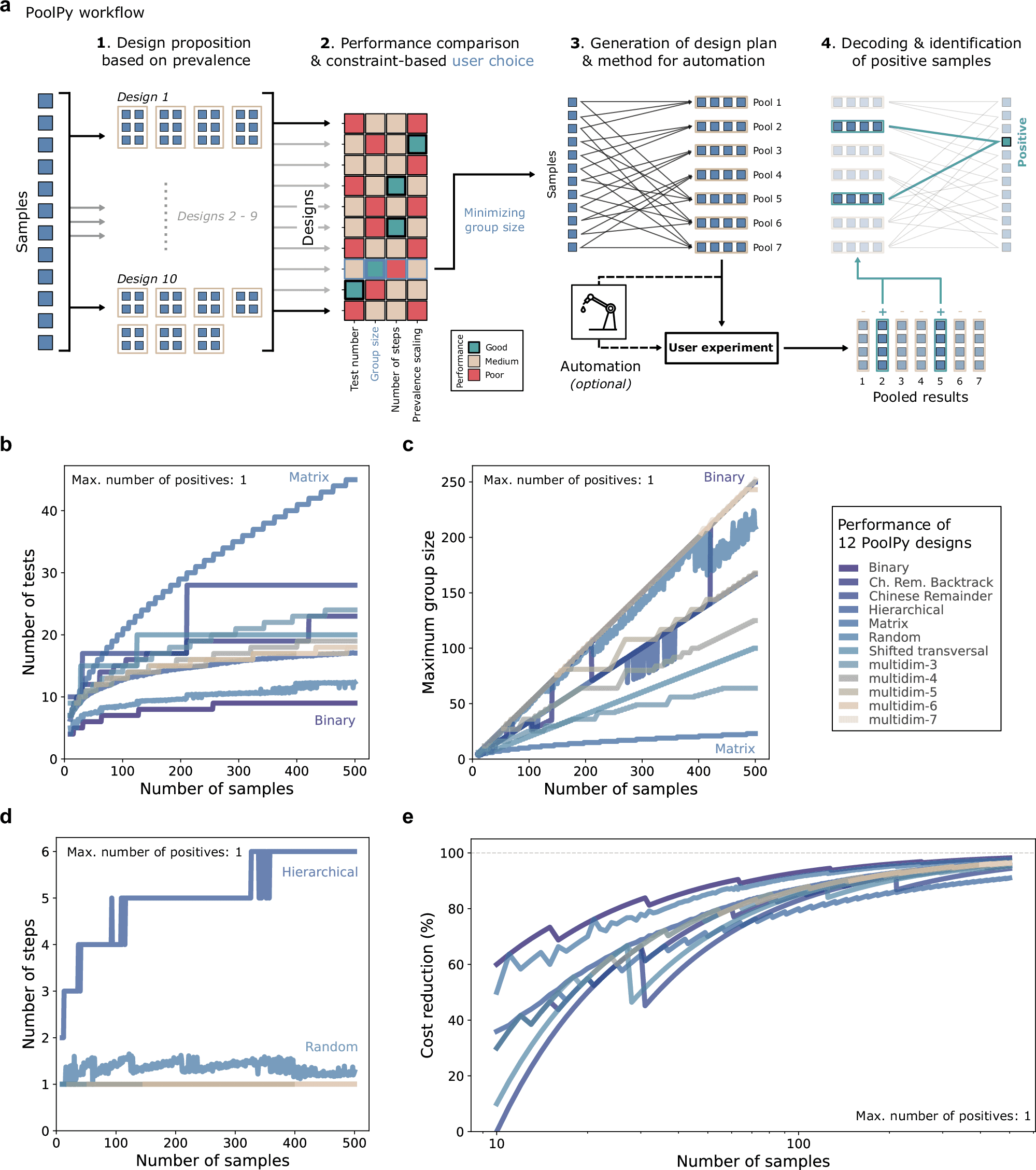
Lorenzo Talamanca and colleagues report that poolPy cut the number of measurements needed by 60% to 93% across three kinds of biological experiments.
Chen and colleagues used deep learning to design 15 synthetic enhancers that activated the intended tissues in mouse embryos.
Shijie Wan and colleagues report that a sparse-data machine-learning loop helped researchers engineer a compact Fanzor genome editor that worked across mammalian-cell targets and in a mouse experiment.
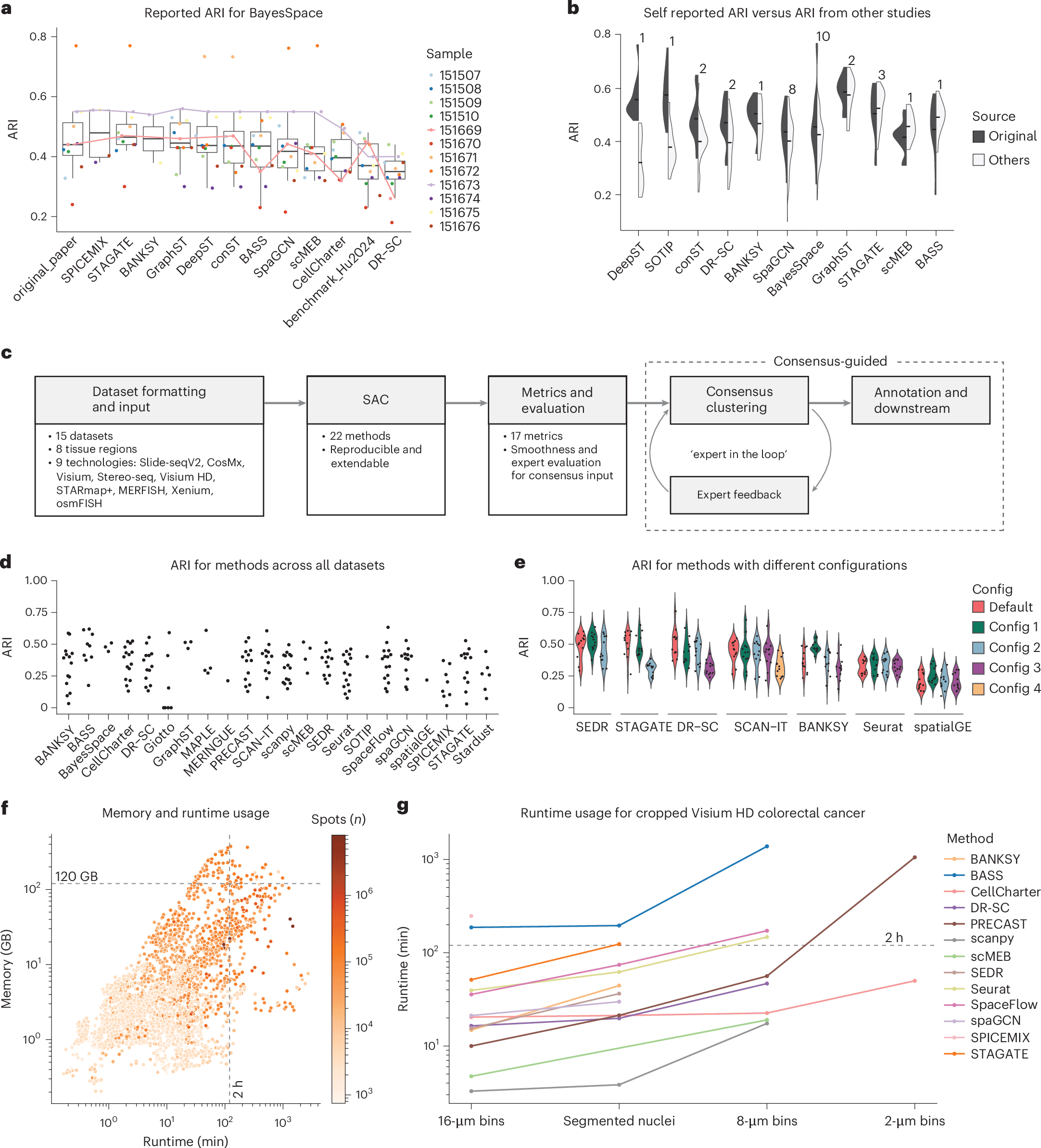
Jieran Sun and colleagues report that sACCELERATOR combines agreement among algorithms with expert tissue knowledge to make spatial-clustering benchmarks more biologically useful.
Joao Sartori and colleagues report that enzymARC tests whether enzyme-function predictors reject structure-guided decoys whose catalytic machinery has been disrupted.
Thi Lan Nguyen and colleagues report that gRASSP combines pretrained RNA representations with lightweight graph refinement for RNA-small molecule binding-site prediction.
Karoline Kallis and colleagues report that an EHR model performed similarly across five health systems but much less sensitively in patients with sparse documentation.
Yuheng Zhu and colleagues report that pSTN links single-cell and spatial transcriptomics across infection time points instead of integrating each stage separately.
Yijun Ren and colleagues report that a cross-jurisdiction analysis finds longer second-authorization delays when radiology AI reaches Europe before the United States.
Jiedan Xiao and colleagues report that a conditional diffusion model reconstructs plausible single-cell populations from bulk-like expression summaries.
Yuyan Chen reports that a DNA foundation model combines sequence with local and global chromatin accessibility while trying to prevent one modality from overwhelming the representation.
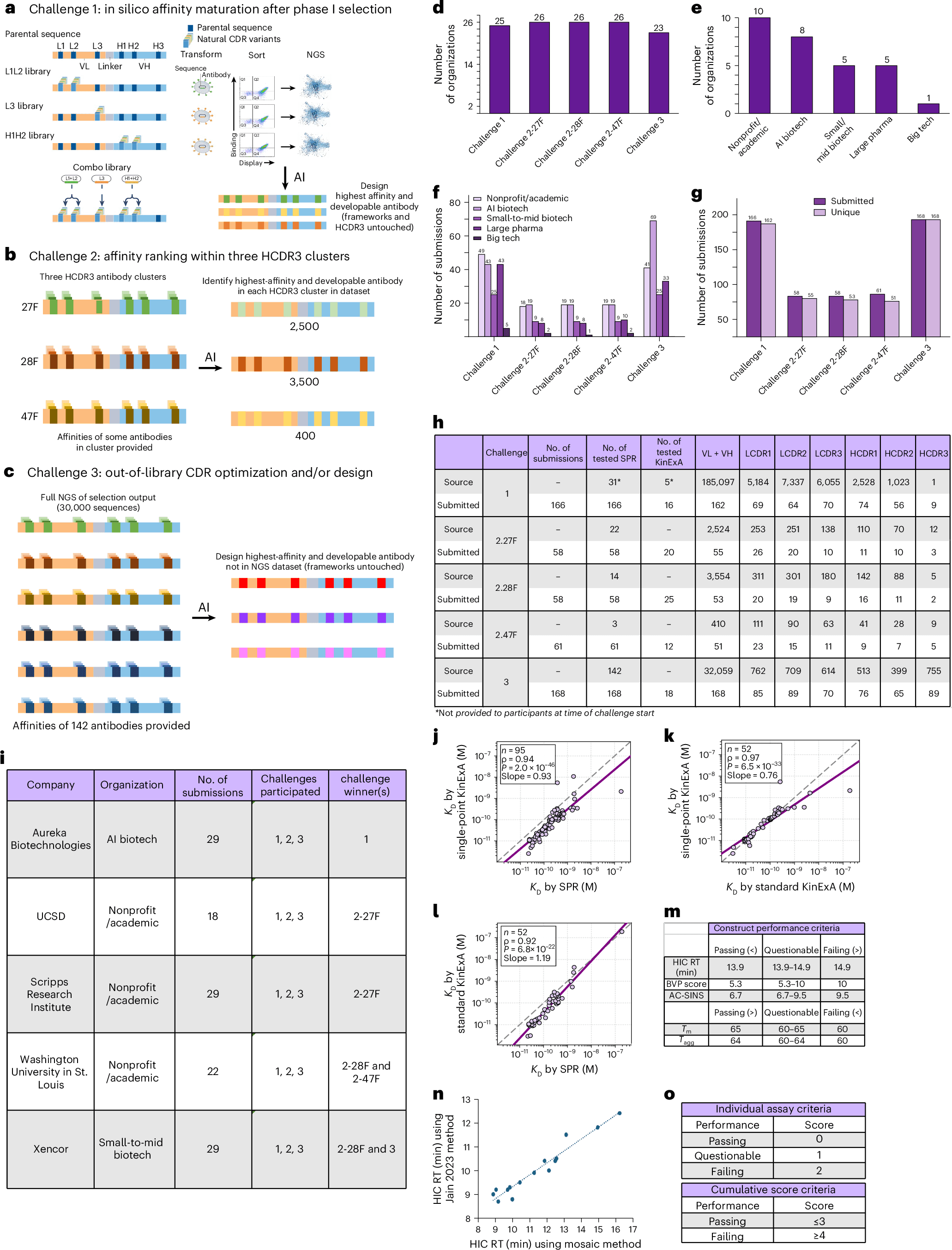
M. Frank Erasmus and colleagues report that a prospective, blinded antibody challenge found real pockets of strong performance, but most methods did not generalize across its three tasks.
Liron Leibovitch and colleagues report that a four-week emergency-department evaluation found mostly appropriate sampled outputs but falling clinician adoption and no reduction in length of stay.
Alekhya Kandoor and colleagues report that spY-C learns shared sequence constraints for whether a human phosphotyrosine site can participate in SH2-domain binding.
Maximilien Burq and colleagues matched or beat much larger RNA-only models on most reported benchmarks using a small biological foundation model trained with proteomics.
Julie Liliane Daniel and colleagues report that alphaConformers uses structures from related proteins as template hypotheses to steer AlphaFold2 toward alternative conformations.
Hanchen Wang and colleagues report that perturb-ME combines phenotype enrichment, genome-scale CRISPR, and multimodal single-cell readouts to map mechanisms behind a selected phenotype.
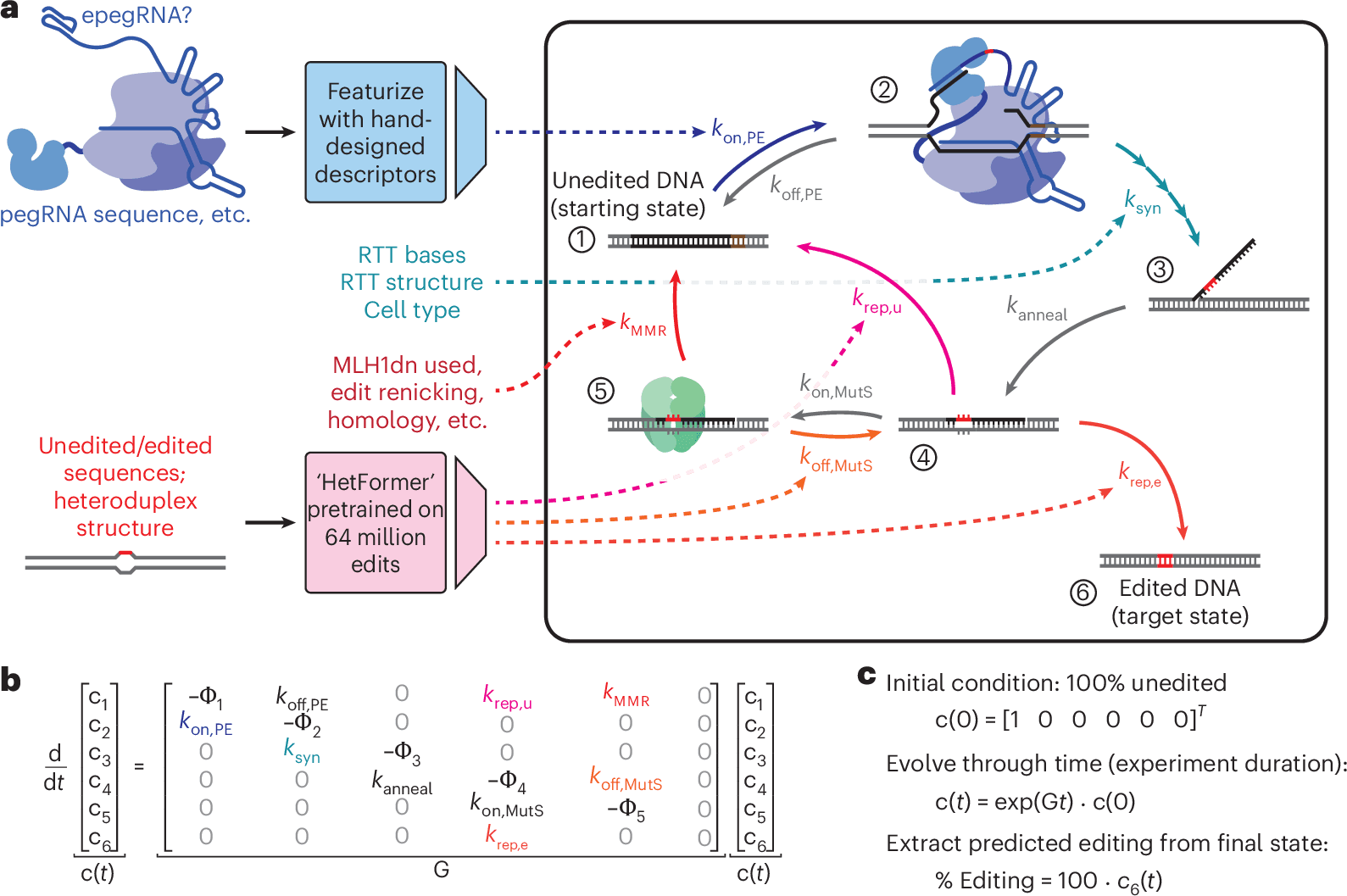
Alvin Hsu and colleagues report that optiPrime uses a mechanism-based machine-learning model to predict prime-editing outcomes and nominate edits intended to evade mismatch repair.
Products & tools
Radiological Society of North America
RSNA opened a multimodal knee-MRI challenge using images and radiology-report text from sites across five continents, with an expert-annotated evaluation set.
Capital & partnerships
seed financing
Build the platform, expand the Cambridge team, and generate training data in an in-house wet lab.
research collaboration
Network Bio announced a collaboration combining its longitudinal cell-free RNA datasets with NVIDIA accelerated computing, Parabricks, and BioNeMo Recipes to build a foundation model called Nexus. Financial terms, development milestones, and external validation plans were not disclosed.
series financing
Expand U.S. research and reimbursement-driven launch preparation, support a Japanese regulatory filing for pancreatic-cancer diagnostic software, and advance a prospective pancreatic-cancer study.